Drainage Services for Property Owners
This page explains drainage services and helps compare local contractors who handle drainage work for property owners.
- - Residential property owners seeking reliable drainage repair or installation services.
- - Commercial sites needing expert solutions for complex drainage systems.
- - Property managers looking to connect with local drainage contractors for ongoing maintenance.
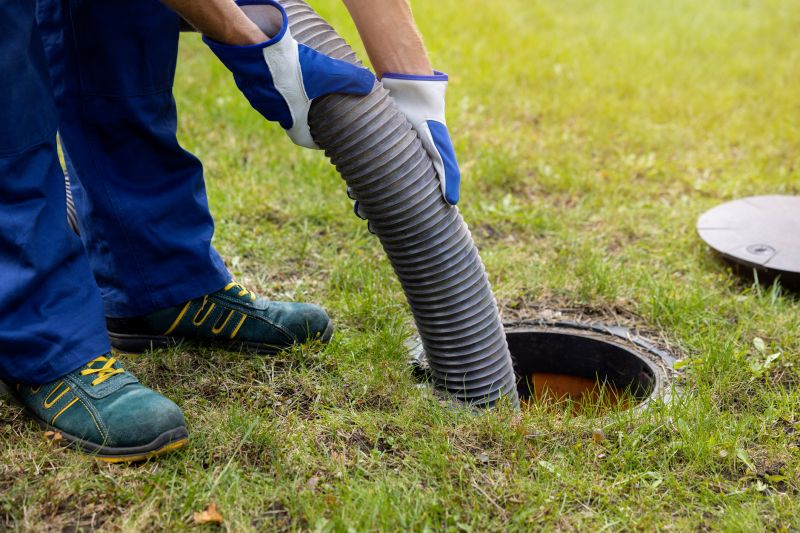
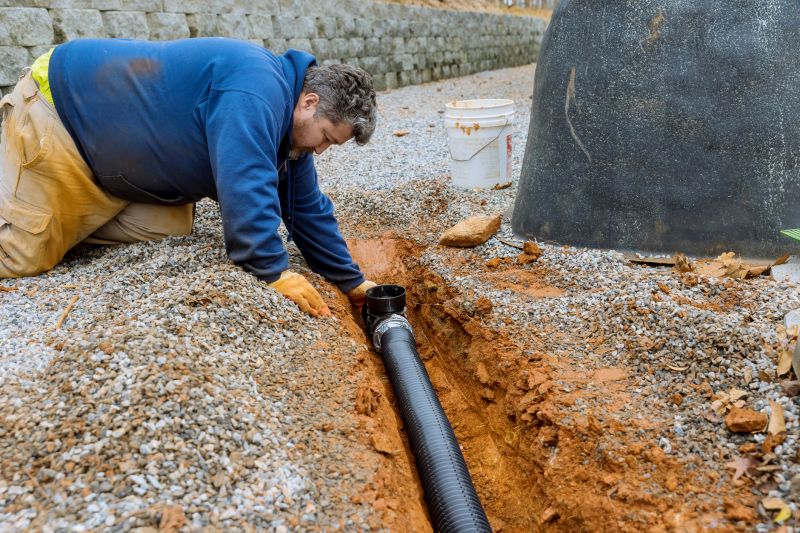
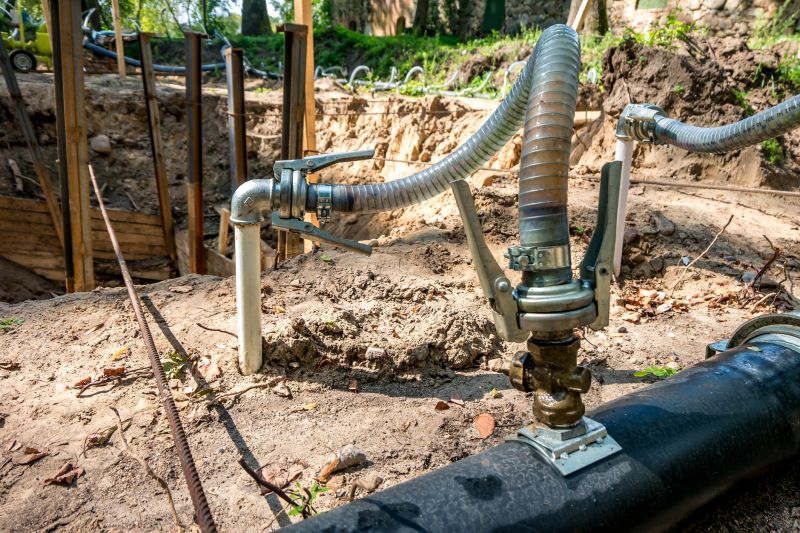
Drainage services encompass a range of solutions designed to keep properties free from water accumulation and related issues. Local contractors and service providers who specialize in drainage work handle tasks such as clearing blocked pipes, installing or repairing drain lines, and addressing problems caused by heavy rainfall or ground settling. Property owners often seek assistance when experiencing slow drains, backups, or flooding concerns, and connecting with experienced local pros ensures that these issues are addressed effectively and efficiently.
These service providers typically assess the specific drainage challenges of a property and recommend appropriate solutions based on the situation. Whether it involves routine maintenance, emergency repairs, or new installations, local drainage specialists bring practical expertise to ensure proper water flow and prevent future problems. Connecting with trusted local contractors allows property owners to compare options and find the right professional to meet their drainage needs.
This guide provides helpful information to understand drainage services and what to consider when planning a project. It assists in comparing local contractors and service providers to find the right fit for specific needs. By exploring these insights, visitors can better prepare to connect with qualified professionals in their area.